
Firewood production is an industry where efficiency is critical. If you are processing volume, supplying customers, or managing large rural operations, your equipment becomes the backbone of your output. The right firewood processor can double your productivity, reduce labour strain, cut your operating costs and remove one of the biggest bottlenecks in the firewood supply chain: slow, inconsistent processing.
That’s why the search for the best firewood processor isn’t just a matter of picking a machine, it’s about choosing a work partner that can handle your climate, your wood type, your demands and your workflow. For many Canadian operations, that means choosing machinery built for real winter conditions, heavy logs and long daily use.
Axemaster sits right in that world. Their machines aren’t hobby tools or imported consumer-grade splitters; they’re built for contractors, woodyards, commercial suppliers, forestry operations and farms that rely on dependable, industrial-grade production.
Understanding What “Best Firewood Processor” Really Means
There is no single firewood processor that suits every operation. The “best” is always defined by the environment in which it works and the person using it. A farm that processes 10 cords a year has different needs from a woodlot supplier producing 300+ cords a month.
Still, certain qualities distinguish industrial-grade processors from the rest. When professionals search for the best firewood processor, they’re typically referring to machines that deliver:
- High-volume output
- Minimal downtime
- Reliable performance in harsh environments
- Low maintenance requirements
- Strong resale value
- Customisation to meet specific production needs
The best firewood processor is one that becomes a long-term asset rather than a yearly expense.
Why Firewood Processors Matter More Today
Demand for firewood has changed significantly. Whether for heating, outdoor living, campground supply or commercial resale, customers expect:
- Consistent size
- Clean cuts
- Properly split pieces
- Standard lengths
- Reliable supply
A basic log splitter won’t give you production scale or uniform output. Modern operations, even smaller ones, now compete by offering better consistency, faster delivery and steady supply. An industrial-grade firewood processor makes this level of performance possible.
What Defines a High-Performance Firewood Processor?
The best processors share several key traits. Understanding these helps you compare brands with confidence and avoid underpowered or overbuilt machinery.
1. Power & Cutting Capacity
Cutting capacity determines what size logs you can process without slowing down production. Larger-diameter logs require stronger saws, hydraulic systems and splitting power.
Industrial processors offer:
- High-force hydraulic splitting
- Heavy-duty saw bars or circular saws
- Rapid cycle times
A processor that bogs down under load is not a high-performance option; it’s a bottleneck waiting to happen.
2. Log Handling & Feeding Efficiency
A strong machine should allow easy, steady feeding without constant manual intervention. Features such as hydraulic decks, log cradles, conveyors and rollers streamline workflow and reduce labour.
3. Splitting Force
The best firewood processors deliver high splitting tons, allowing them to break through knotty, frozen or dense wood. Consistent splitting force means every log is completed in a single cycle, reducing time per cord.
4. Build Quality & Durability
In Canadian climates, thin steel and light-duty components simply do not last. You need:
- Reinforced frames
- Industrial hydraulics
- High-grade steel
- Welds built for vibration and impact
Durability is especially important for businesses that process wood daily.
5. Customisation & Specifications
Every operation has different needs. The best processors allow variation in:
- Power type (gas, diesel, electric, PTO)
- Log capacity
- Conveyor length
- Blade style
- Splitting wedge configuration
Custom builds ensure you don’t pay for features you don’t need, or end up missing ones you rely on.
6. Serviceability & Parts Availability
Even the best machines require maintenance. Industrial-grade processors should be:
- Easy to service
- Supported by local parts
- Backed by a knowledgeable technical team
This is one of Axemaster’s biggest advantages: local support means less downtime.
What Makes a Firewood Processor the “Best” for Canadian Conditions?
Canada’s environment creates distinct challenges for machinery. The best firewood processor must handle:
- Cold-weather operation
- Frozen logs
- Snow and moisture exposure
- Heavy hardwood
- Long processing seasons
Imported, consumer-grade equipment often struggles under these conditions. Canadian-built units, by contrast, are engineered for the climate and wood species common across provinces.
Axemaster machines are built with thicker steel, stronger hydraulics and better cold-weather tolerances. That’s what separates high-performance commercial gear from hobby-level tools.
Comparing Firewood Processors: Key Factors
When identifying the best firewood processor, it is important to consider:
Production Volume
How many cords do you need to produce per day, week or season?
- Small operations may prioritise portability.
- High-volume suppliers need conveyor extensions, hydraulic log decks and faster cycle times.
Log Size
Your processor must match your available wood.
Large-diameter logs without sufficient cutting power will slow the entire workflow.
Power Source
Gas, diesel, electric or PTO, each has advantages depending on your environment and budget.
Budget vs. Long-Term Value
Cheaper machines often end up costing more through:
- Downtime
- Repairs
- Lost production
- Shorter lifespan
The best firewood processor is an investment, not a disposable tool.
Safety Features
Industrial machines must offer:
- Emergency stops
- Safe log handling
- Guarded blades
- Stable frames
The safest processor is always the best processor.
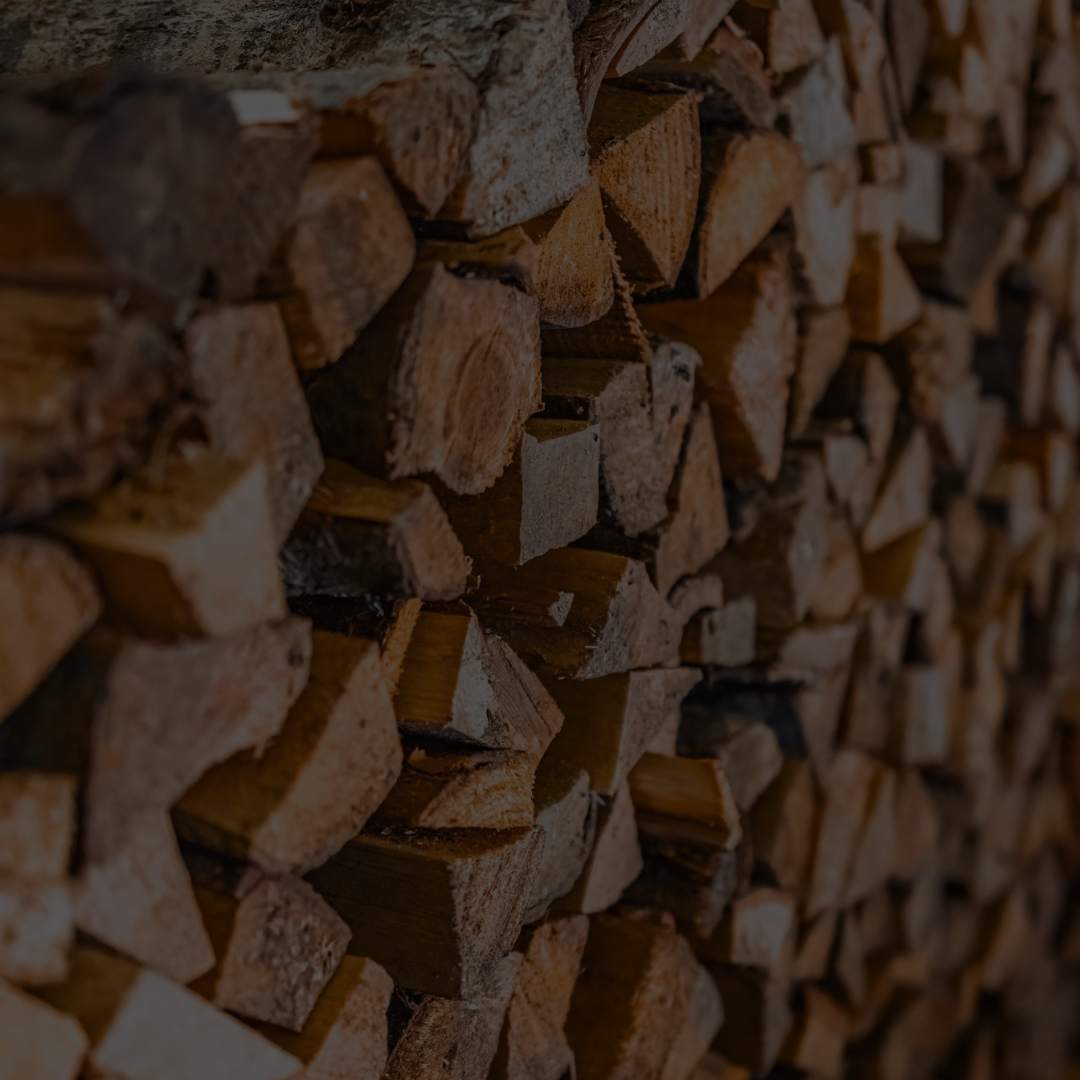
High Production
One of the standout features of the Axe Master is its impressive production capacity. This wood processor is capable of generating at least 4 full cords of wood each hour, allowing you to increase your output significantly. As you gain experience operating the machine, you can even enhance its performance further.
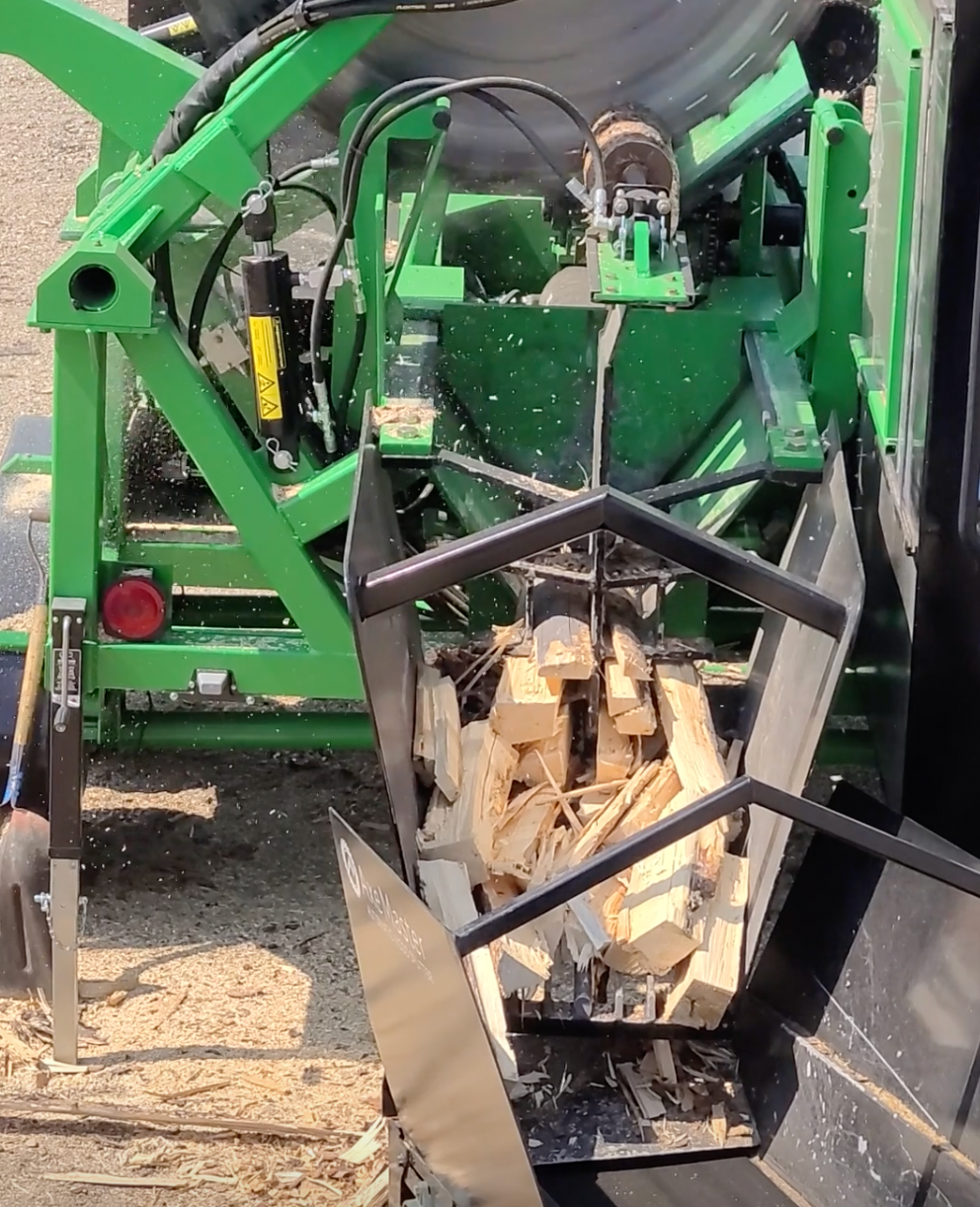
Durability
Built with robust construction, the Axe Master is designed for low maintenance and long-lasting performance. Unlike other wood processors that require constant upkeep, our model is engineered with minimal moving parts, making it an investment that pays off over time. In the rugged conditions of Alberta, having a durable wood processor is essential to ensure you can keep up with demand.
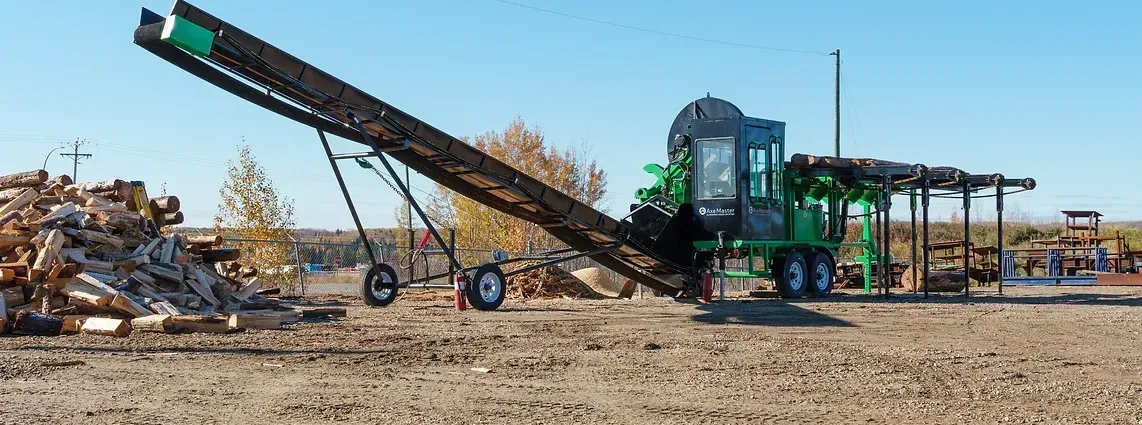
Efficiency
The Axe Master’s design focuses on optimizing performance. With user-friendly controls and intuitive operation, you can quickly adapt to using the machine, ensuring a smooth and hassle-free experience in your wood processing endeavors.
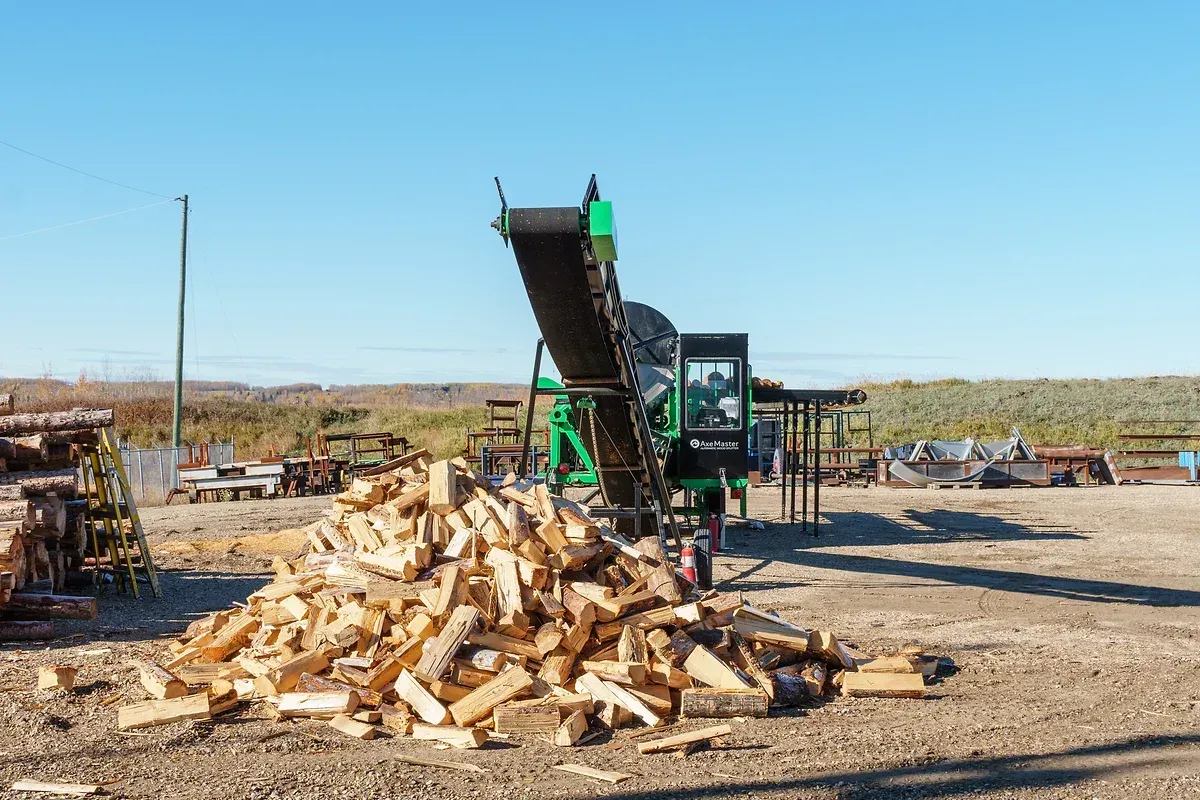
Customization Options
At RJ Machine Works, we understand that every wood processor user has unique needs. That’s why we offer customization options to tailor the Axe Master to your specific requirements. Whether you need a specific size, additional features, or adjustments to the components, we can create a wood processor that fits your exact specifications.
Axemaster: Why Many Consider Their Units the Best Firewood Processors in Canada
Axemaster serves professional operators for whom reliability is critical. Their processors are built to
industrial standards, not consumer expectations. This includes the following:
Heavy-Duty Construction
Thick steel, reinforced welds, and robust hydraulics allow machines to withstand extreme use.
Custom Builds
No two operations are the same. Axemaster can modify:
- Power systems
- Conveyor lengths
- Splitting wedges
- Log deck configurations
Customisation ensures the machine works exactly as your business needs it to.
Industrial Performance
These machines handle:
- Larger logs
- Higher output
- Tougher environments
This makes them ideal for long processing days and commercial-scale demands.
Local Support
One of the most important advantages: you can speak directly with the manufacturer for:
- Parts
- Service
- Advice
- Troubleshooting
This is a critical factor in long-term operational value.
Built for Canadian Wood & Climate
Frost, ice, hardwood and remote rural environments are all considered in the design.
How to Determine Which Axemaster Model Is Best for You
Finding the best firewood processor depends on your production needs.
Consider:
- How many cords do you need weekly or yearly
- Whether you move between sites
- The typical size of your logs
- Whether you need conveyor extensions
- Your preferred power type
Available storage and operational spaceAxemaster provides consultation to help buyers choose the right model. Their process focuses on:
- Understanding your production goals
- Matching log size and volume needs
- Discussing mobility requirements
- Offering customised configurations
- Providing a long-term cost-efficiency assessment
This personalised approach is part of why many operators choose them as their long-term equipment partner.
The ROI of Choosing the Best Firewood Processor
A quality industrial processor doesn’t just produce wood; it increases profitability.
Key benefits include:
- Higher production speed
- Reduced labour
- Better consistency (more sellable product)
- Lower maintenance costs
- Less downtime
- Greater safety
- Longer equipment lifespan
Firewood producers who upgrade from small-scale tools to a commercial firewood processor often see immediate improvements in margins and overall workflow.
Signs You Need a Better Firewood Processor
If your current equipment is:
- Struggling with log size
- Breaking down
- Slowing production
- Producing uneven or inconsistent firewood output
- Requiring constant repairs
Then it’s not serving your business. The best firewood processor removes production bottlenecks. It does not create them.
Choosing the Best Firewood Processor: Final Checklist
Before you purchase, ask yourself:
- Can it handle my log diameter?
- Is the splitting force strong enough for my wood type?
- Will it operate reliably in my region’s climate?
- Does it have the output needed for my business?
- Is servicing fast and local?
- Can the machine be customised?
- Does the brand have proven durability?
If the answer is yes to all these questions, you’re looking at a top-tier processor.
The Best Firewood Processor Is One That Works As Hard As You Do
The firewood business is demanding. Long hours, unpredictable weather and heavy workloads mean you need equipment that is built around the realities of your operation. The best firewood processor isn’t necessarily the most expensive or the most advertised, it’s the machine that delivers daily productivity, minimal downtime and reliability that lasts for years.
Axemaster has built its reputation on precisely that. For forestry operations, firewood suppliers, farms and contractors across Canada, their machines offer performance, durability and customisation that genuinely matter on site.
If you're serious about finding the best firewood processor for your operation, a conversation with Axemaster is an ideal starting point. They understand the work, the environment and the demands, and they design machinery to match them.
